
12 October 2026
Tui Season: Tui Bird Photography in Kowhai Bloom
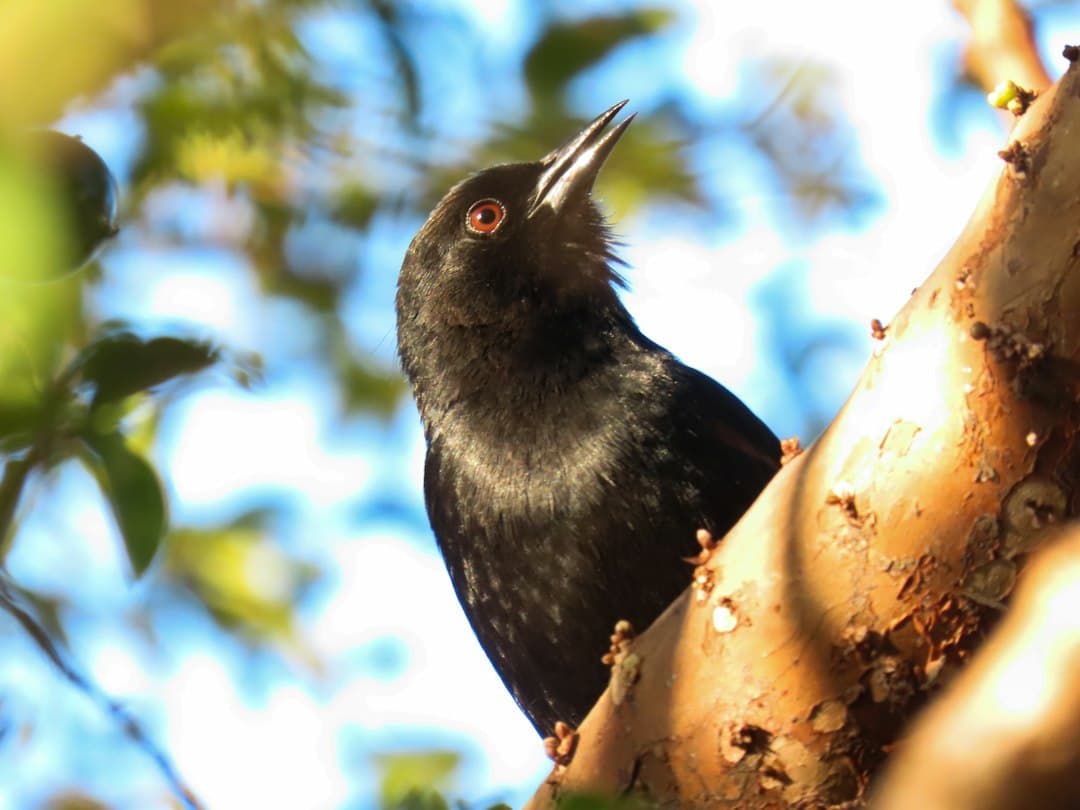
Spring in New Zealand brings one of the most rewarding photography opportunities of the year: tui season. As kowhai trees burst into golden bloom, tui birds flock to feed on their nectar, darting between branches with iridescent flashes of blue, green, and bronze. For beginners keen to capture this spectacle, tui bird photography is both accessible and endlessly rewarding: all you need is patience and a few basic techniques.
Kowhai blooms typically peak from late winter through early summer, depending on your region, and tui are drawn to them like nothing else. Unlike many native birds that stay hidden in dense bush, tui feeding on kowhai are often out in the open, perched on bright yellow blossoms against a blue sky backdrop. This makes them one of the most approachable subjects for anyone wanting to build confidence in bird photography.
If you're new to photographing fast-moving wildlife, this is a good place to start. The combination of a relatively predictable food source and striking colour contrast means you can practise your timing and composition without needing to track an animal through thick forest. It's also a good entry point if you're considering enrolling in a dedicated wildlife photography course to build your skills further.
You don't need the most expensive gear to get started, but a few basics will make a big difference. A telephoto lens (200mm or longer) helps you fill the frame without disturbing the bird, while a fast shutter speed (ideally 1/1000s or quicker) freezes the rapid wing movements and head-bobbing tui are known for.
Set your camera to continuous autofocus and burst mode, since tui rarely stay still for long. Aperture priority mode with a wide aperture (f/4 to f/6.3) will help separate your subject from the background while still keeping enough depth of field to capture the whole bird in focus. If these settings sound unfamiliar, don't worry: our photography course walks beginners through exactly this kind of real-world scenario, step by step.
Early morning and late afternoon light also works in your favour. Soft, warm sunlight brings out the tui's colourful throat feathers and gives the kowhai blossoms a gentle glow, rather than the harsh shadows you'll get at midday.
Once your settings are dialled in, think about composition. Rather than centring the bird every time, try placing it slightly off-centre using the rule of thirds, with a cluster of kowhai flowers leading the eye toward it. Shooting from a slightly lower angle than the bird can also create a more flattering, eye-level perspective instead of looking down on it.
Pay attention to background clutter too. A plain sky or soft green foliage behind the tui will make your subject pop, whereas busy branches can distract from the moment you're trying to capture. Patience pays off here. Sometimes it's worth waiting for the tui to move to a cleaner perch rather than snapping the first shot you see.
If you're unsure which lens or settings suit your current camera body, our FAQ page covers common beginner questions about gear choices and camera modes, which can save you time before you head out into the field.
Tui are energetic, noisy, and constantly on the move, which means your best shots often come from simply watching and waiting. Find a kowhai tree with active feeding activity, settle in quietly, and observe the bird's pattern: many tui return to the same few branches repeatedly, giving you multiple chances to nail the shot.
It's also worth experimenting beyond still photography. The swooping flight and aggressive chasing behaviour tui display around a favoured tree can make for brilliant short video clips. If you enjoy capturing movement as well as stills, exploring a videography course can help you learn how to pan smoothly and expose correctly for fast wildlife action.
Remember that tui photography, like most wildlife work, rewards persistence over perfection. Some of your early shots might be blurry or poorly framed, and that's completely normal. Each outing builds your instinct for timing, light, and bird behaviour.
Tui season offers a short but spectacular window to practise wildlife photography skills that apply far beyond kowhai trees. Timing and patience are useful in almost every genre of photography, from portraits to landscapes, and so is reading animal behaviour. The confidence you build chasing tui through blooming kowhai will carry over into any future photographic pursuit.
If you'd like structured guidance to speed up your progress, our team at New Zealand Photography School would love to help you turn this season's tui sightings into shots worth sharing. Explore our wildlife photography course today and start capturing New Zealand's native birds with confidence.