
18 October 2026
Little Blue Penguin Photography: Fledging Season Guide
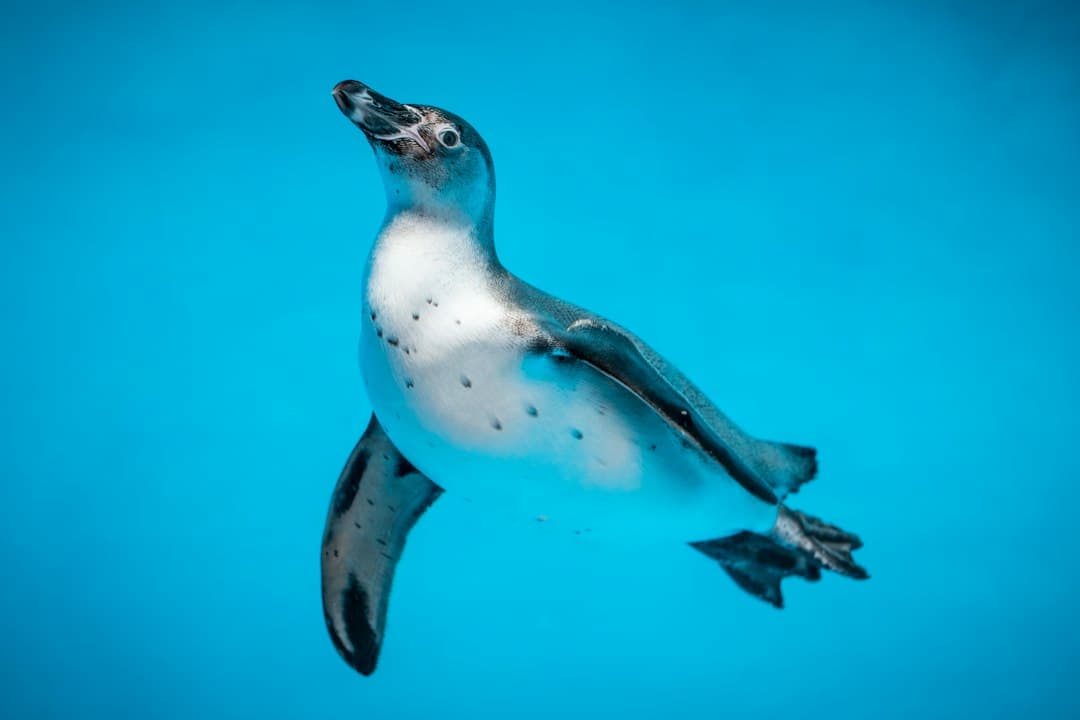
Fledging season is one of the most exciting times of year for anyone interested in little blue penguin photography. Around New Zealand's coastlines, juvenile penguins are leaving their burrows for the first time, waddling toward the water in the soft evening light. It's a magical, fleeting window. With a bit of preparation, it's entirely possible for beginners to capture images they'll treasure forever.
In this guide, we'll walk through the essentials: when and where to photograph, what gear actually matters, how to work with low light, and how to do it all responsibly. If you're new to wildlife photography, this is a wonderful subject to start with, because penguins move predictably and often return to the same colonies night after night.
Fledging season typically runs through late spring into summer, varying slightly by region. This is when young penguins, having grown their waterproof adult feathers, make their first journey from burrow to sea. Unlike adult penguins who come ashore at dusk after fishing, fledglings often linger near colonies during the day, giving photographers more flexible shooting windows.
The soft, warm light of early morning or late afternoon is ideal. It keeps your exposures manageable, and penguins are most active during these cooler parts of the day too. If you're still building confidence with manual settings, this is a great opportunity to practise shooting in changing light conditions, a skill covered in depth in our wildlife photography course.
You don't need the most expensive telephoto lens to get started. A lens in the 200-400mm range (or an equivalent zoom on a crop-sensor camera) gives you enough reach to photograph penguins without disturbing them. A monopod or beanbag is often more practical than a tripod on uneven, rocky terrain.
Because penguin colonies are usually dim even during daylight, especially under vegetation, learning to balance ISO, aperture and shutter speed matters a lot. A wide aperture (f/4 or wider) helps isolate your subject against a blurred background, while a shutter speed of at least 1/500s freezes those comical little waddling steps. If these settings still feel unfamiliar, our photography course covers exposure fundamentals in a way that's approachable for complete beginners.
Good penguin photography needs more than sharp focus. It needs a sense of story. Try to capture behaviour: a fledgling pausing at the burrow entrance, a curious tilt of the head, or the moment it finally meets the waves. Shooting at the penguin's eye level, rather than down at it, instantly makes images more intimate and engaging.
Think about background too. A cluttered scene of rocks and grass can distract from your subject, so look for angles where the penguin stands out against soft, out-of-focus elements. These same compositional principles (eye-level perspective, clean backgrounds, and capturing a genuine moment) are also central to portrait photography, so practising with penguins is excellent cross-training for photographing people too.
If you're keen to document the full experience rather than just still images, consider filming short clips of the fledging journey. Movement, sound of the surf, and the penguins' waddle translate beautifully to video, and our videography course can help you learn how to pair motion with narration or music for a more immersive story.
Ethics matter a great deal here. Little blue penguins are easily stressed by bright flash, close approaches, or loud noises, and disturbing a colony during fledging season can have real consequences for vulnerable young birds. Always use natural or ambient light only, never flash. Keep a respectful distance, use your zoom rather than your feet, and never block a penguin's path to the sea.
Many colonies have designated viewing areas or boardwalks specifically to protect the birds while still allowing photographers a great vantage point. Research your location in advance, follow any signage or local guidelines, and be patient. The best penguin photographers are often the quietest and most still. Rushing or crowding a colony rarely results in good images anyway.
Before heading out, it's worth rehearsing your camera settings at home in low light, so you're not fumbling with dials once you're on location. Fledging windows can be short, and penguins don't wait around for you to find the right aperture. If you're unsure which settings suit low-light wildlife work, our team is always happy to help, check our FAQ page for common beginner questions about gear, settings and course options.
Little blue penguin photography rewards patience and respect for wildlife. It also takes a willingness to learn new technical skills, and that's exactly what we love helping beginners build confidence in. Whether you're drawn to stills or video, there's a course pathway suited to where you're at.
Ready to turn this season's sightings into genuinely stunning images? Explore our wildlife photography course and start building the skills you'll need before fledging season reaches its peak.