
13 October 2026
NZ Fur Seal Pupping Season: A Photographer's Guide
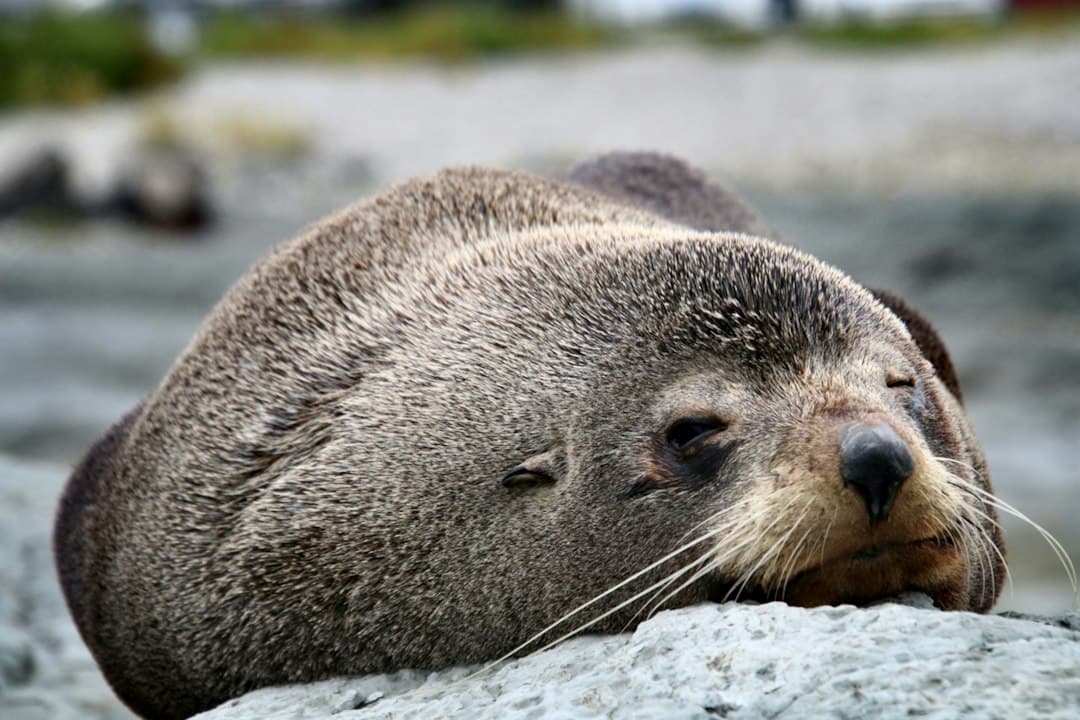
There's something magical about watching a fur seal pup take its first wobbly steps along a rocky Kaikōura shoreline or a Catlins beach. Every spring and summer, New Zealand's coastline becomes one of the most rewarding places on the planet for fur seal photography nz has to offer, as colonies swell with playful pups and watchful mums. If you've been itching to point your lens at something other than landscapes, pupping season is the perfect excuse to get out there.
From November through February, New Zealand fur seal colonies come alive. Pups are curious and clumsy. They'll tumble over rocks, nap in sunbeams, and occasionally waddle right up to a patient photographer sitting quietly nearby. This is a gift for beginners because the behaviour is predictable enough to plan around, yet varied enough that no two shoots look the same.
Unlike many wildlife subjects that demand long lenses and hours of waiting in silence, fur seals are relatively accessible along well-known colonies, making them an ideal entry point into the genre. If you're new to shooting animals in the wild, this season is a good time to build confidence, and our wildlife photography course walks you through everything from field craft to post-processing specifically for New Zealand conditions.
You don't need a professional-grade super-telephoto to get started, but a lens in the 200–400mm range will help you keep a respectful distance while still filling the frame. A fast shutter speed (1/1000s or quicker) freezes those sudden head-turns and splashy play fights, while a wide aperture helps isolate pups from busy rocky backgrounds.
Because lighting on the coast changes quickly (fog rolling in, harsh midday sun, golden hour glow), it pays to understand your camera's manual settings before you arrive. If exposure still feels like guesswork, our foundational photography course covers manual mode, metering, and light reading in a way that's genuinely beginner-friendly, so you're not fumbling with dials while a pup is mid-sneeze two metres away.
Safety matters just as much as settings. Adult fur seals can move surprisingly fast and will bite if they feel threatened, especially when guarding pups. Always keep a minimum of 10 metres distance, never get between a pup and the water, and never use flash. If you're unsure about local rules, access points, or seasonal closures, check our FAQ page before heading out. It covers common questions from students planning their first wildlife outing.
Once you're set up safely, think beyond the obvious "cute pup" snapshot. Try low-angle shots that put you at eye level with a pup lounging on a rock. This creates intimacy and makes the viewer feel like part of the colony rather than an outside observer. Backlit shots at golden hour can turn spray and fur into glowing rim light, adding real atmosphere to an otherwise simple scene.
Many of the same principles used in human portraiture apply here: catching the eyes in sharp focus, using shallow depth of field to separate your subject from clutter, and watching for expressive, in-between moments rather than posed stillness. If you enjoy that kind of intentional framing, our portrait photography course teaches composition and light skills that translate surprisingly well to animal subjects, pups included.
Don't ignore the wider story either. A shot showing a pup against the vast Southern Ocean, or resting among dozens of other adults, communicates scale and habitat in a way close-ups can't. Mix your shot list: tight portraits, mid-range behaviour shots, and wide environmental frames.
Good wildlife photography is built on respect. Never approach a pup to "get it moving" for a better shot, don't use drones near colonies without proper permissions, and be mindful of other visitors and photographers sharing the space. A calm, quiet approach protects the animals, and it almost always results in better, more natural images too. Stressed seals don't make relaxed photographs.
If you're planning to turn your seal footage into something more, such as a short behind-the-scenes reel of your photography trip, our videography course is a good next step for learning handheld stabilisation and storytelling techniques suited to wildlife settings.
Pupping season only comes around once a year, and the window for capturing playful, curious pups at their most photogenic is relatively short. Whether you're picking up a camera for the first time or looking to sharpen your wildlife skills before your next coastal trip, now is the time to prepare.
If you'd like structured, expert guidance before you head out with your camera, explore our wildlife photography course and start this pupping season with real confidence behind the lens.